What Is a Virtual Tour? Everything You Need To Know
360 Degree Walkthroughs These use panoramic images stitched together so you can rotate, move between rooms, and explore at your own pace.
 360 Virtual Tours · Updated 2026
Virtual tours have revolutionised how we explore, sell, and experience real spaces, from homes and businesses to museums and tourist destinations. They offer the next best thing to being there in person, letting users navigate and interact with a location digitally. This guide covers everything you need to know about virtual tours: their formats, benefits, equipment, and best practices for creating and using them effectively.
What Is a Virtual Tour?
A virtual tour is an interactive digital experience that lets you explore a real location remotely. It uses tools such as 360 degree photography, 3D modelling, and sometimes virtual reality to recreate a space online. Rather than watching passively, you actively move through the environment, look in any direction, and interact with points of interest.
Most virtual tours fall into a few main formats:
360 Degree Walkthroughs
These use panoramic images stitched together so you can rotate, move between rooms, and explore at your own pace.
3D Virtual Tours
These create a spatially accurate digital version of a location, capturing depth, scale, and layout so you understand how the space truly works.
Guided Video Tours
These are structured video walkthroughs, sometimes interactive, often with narration to highlight key features.
Virtual Reality Experiences
These are designed for VR headsets, offering a strong sense of presence for users who want the most immersive experience possible.
Because there are different formats, virtual tours can be adapted to suit everything from simple property listings to high end commercial and cultural experiences.
Virtual Tour Examples
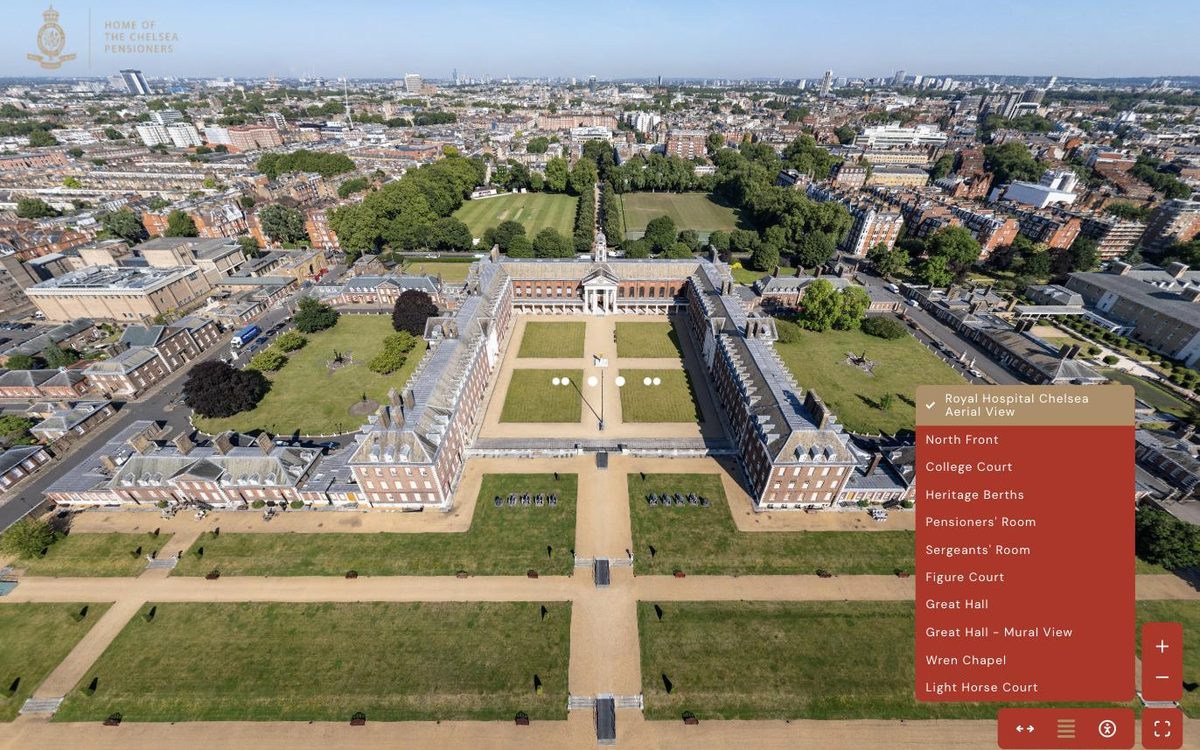
Royal Hospital Chelsea Virtual Tour
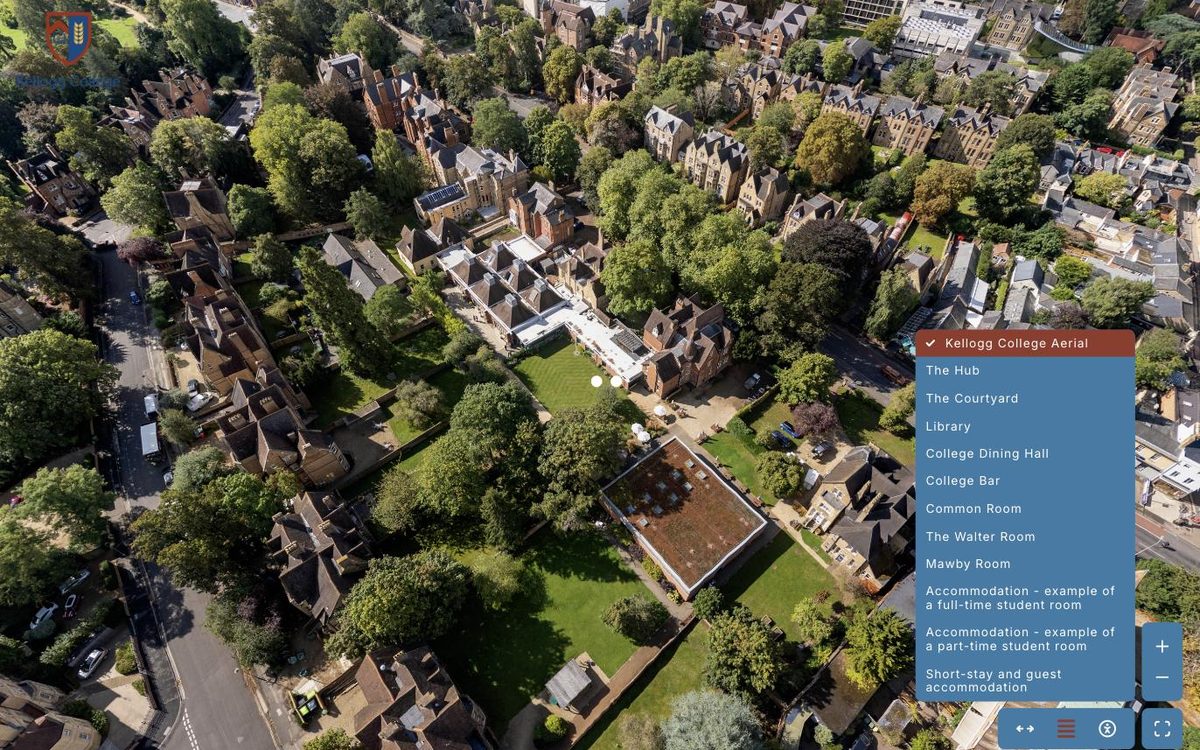
Kellogg College Oxford Virtual Tour
Why Virtual Tours Matter
Virtual tours offer numerous advantages that set them apart from traditional photos or video:
- Immersive & Interactive: Users gain a real feel for space layout, flow, and details, improving understanding and emotional connection.
- Convenience & Accessibility: Explore locations anytime, anywhere on phones, computers, or VR devices, great for remote buyers, travelers, and students.
- Time & Cost Efficiency: Reduce physical visits, saving travel time and expenses for buyers and sellers alike.
- Increased Engagement: Interactive features keep visitors interested longer, boosting marketing impact and lead generation.
- Global Reach: Virtual tours transcend geographic boundaries, opening markets and audiences worldwide.
- Improved Decision Making: Buyers can revisit tours multiple times, leading to more confident purchasing decisions.
These benefits apply strongly in real estate, tourism, education, hospitality, and retail, helping businesses showcase spaces dynamically and memorably.
How Do Virtual Tours Work? The Creation Process
Creating a virtual tour typically involves:
- First, the space is captured using 360 degree cameras, LiDAR scanners, or 3D cameras. Multiple viewpoints are recorded to cover every important area.
- Next, the images or scans are stitched together or converted into a 3D model using specialist software. This ensures seamless navigation and accurate alignment between rooms.
- Interactivity is then added. This can include clickable hotspots, labels, floor plans, videos, audio, and information panels that guide users and highlight key features.
- Finally, the completed tour is published and optimised for different devices. It can be embedded on websites, shared via links, or integrated into social media and marketing platforms.
Producers use a range of equipment from smartphones with apps, to professional 360 cameras (Ricoh Theta, Insta360), or advanced LiDAR devices that capture spatial depth for digital twins. Software solutions like Matterport, Kuula, or Realsee provide tools for editing, hosting, and sharing.
What Equipment is Needed for a Virtual Tour?
Essential equipment includes:
- 360-Degree Cameras: Affordable models for panoramic shoots or advanced LiDAR cameras for detailed 3D scans.
- Tripods/Stabilisers: To ensure steady, high-quality captures.
- Lighting: Natural or artificial lighting to enhance image clarity.
- Software: For stitching, editing, embedding interactive elements, and publishing. Popular software includes Matterport, Kuula, and CloudPano.
- Optional VR Gear: Headsets for fully immersive experiences, though not necessary for all tours.
The choice depends on budget, desired quality, and interactivity level. Startups may prefer smartphone solutions, while professionals use high-end cameras and software for richer experiences.
How to Make a Virtual Tour That Engages and Converts
To create a successful virtual tour:
- Plan carefully: Choose the spaces and features to showcase that best represent the property or venue.
- Stage and light well: Clear clutter, improve lighting, and prepare the space to look inviting and true to life.
- Use quality capture tools: Ensure images or scans are sharp, stable, and comprehensive.
- Integrate interactive hotspots: Add contextual information, videos, floorplans, or other media to educate and inspire users.
- Optimise navigation: Make the tour user-friendly with smooth transitions and logical flow.
- Distribute broadly: Host on multiple platforms, embed on websites, and promote on social media to reach your audience.
- Keep content updated: Regularly refresh the tour to reflect any changes or improvements.
Done right, virtual tours lead to higher engagement, qualified leads, and faster sales or bookings.
For more in-depth information on this process, see our guide on how to create a virtual tour.
Common Questions About Virtual Tours
Are virtual tours better than photos or videos?
Yes, because they allow users to explore spaces interactively and freely, providing a more realistic and informative experience than static photos or pre-recorded videos.
How long does it take to create a virtual tour?
For small properties, capture and processing can take a few hours. Larger or more complex sites take longer. For detailed information on pricing, visit our page about virtual tour costs.
Do virtual tours affect property sales or bookings?
Statistics show that listings with virtual tours get more views, generate more leads, sell faster, and often at higher prices.
Can users interact with virtual tours?
Yes, many tours include clickable hotspots, info points, embedded media, and virtual open day integrations to enhance interaction.
Are virtual tours mobile-friendly?
Modern virtual tours are designed for desktops, mobile devices, and some even support VR headsets for custom experiences.
What are the drawbacks or limitations?
Virtual tours may lack the personal touch of live guided visits, can be costly to produce at high quality, and some users may experience minor technical or motion discomfort using VR.
Addressing Concerns with Virtual Tours
While virtual tours are powerful, users often raise concerns:
- Frustration with low-quality tours: Avoid misleading slideshows or static videos masquerading as virtual tours by choosing providers who deliver true interactive and immersive experiences.
- Doubts about value: Virtual tours are essential in many sectors but may be less relevant for quick, casual browsing. Understanding your audience’s needs helps justify investment.
- Cost and complexity fears: There are scalable solutions from DIY smartphone apps to professional LiDAR scans, ensuring solutions fit both budget and skill levels.
- Accuracy concerns: Choose trusted providers who ensure the tours represent the exact property shown, avoiding discrepancies that erode trust.
- Choosing the right tech: Providers with experience and well-reviewed software should be preferred over newcomers with unproven offerings.
Our team understands these concerns and works closely to deliver reliable, realistic virtual tours that truly serve your needs.
The Future of Virtual Tours: Where Are We Heading?
Virtual tours continue to evolve as technology advances.
AI is being used for automated staging, virtual renovations, and intelligent floor plan creation.
Augmented and virtual reality are becoming more immersive, allowing users to visualise changes and personalise spaces.
Live interaction is emerging, with guided tours, real time chat, and hybrid viewing experiences.
Analytics are improving, giving businesses insight into how users move through tours and what captures attention.
As digital and physical experiences blend further, virtual tours are becoming an essential part of how spaces are marketed and experienced.
Ready to Create a Virtual Tour That Truly Represents Your Space?
If you’re ready to showcase your property, venue, or space with the immersive power of virtual tours, our expert team is here to help every step of the way. Whether you want a basic 360 walkthrough or a fully interactive 3D digital twin, we provide tailored solutions that engage your audience and drive results.
Explore the possibilities and bring your spaces to life online, contact us today for a consultation. Your next breakthrough in marketing starts with a first-rate virtual tour experience.
Related articles
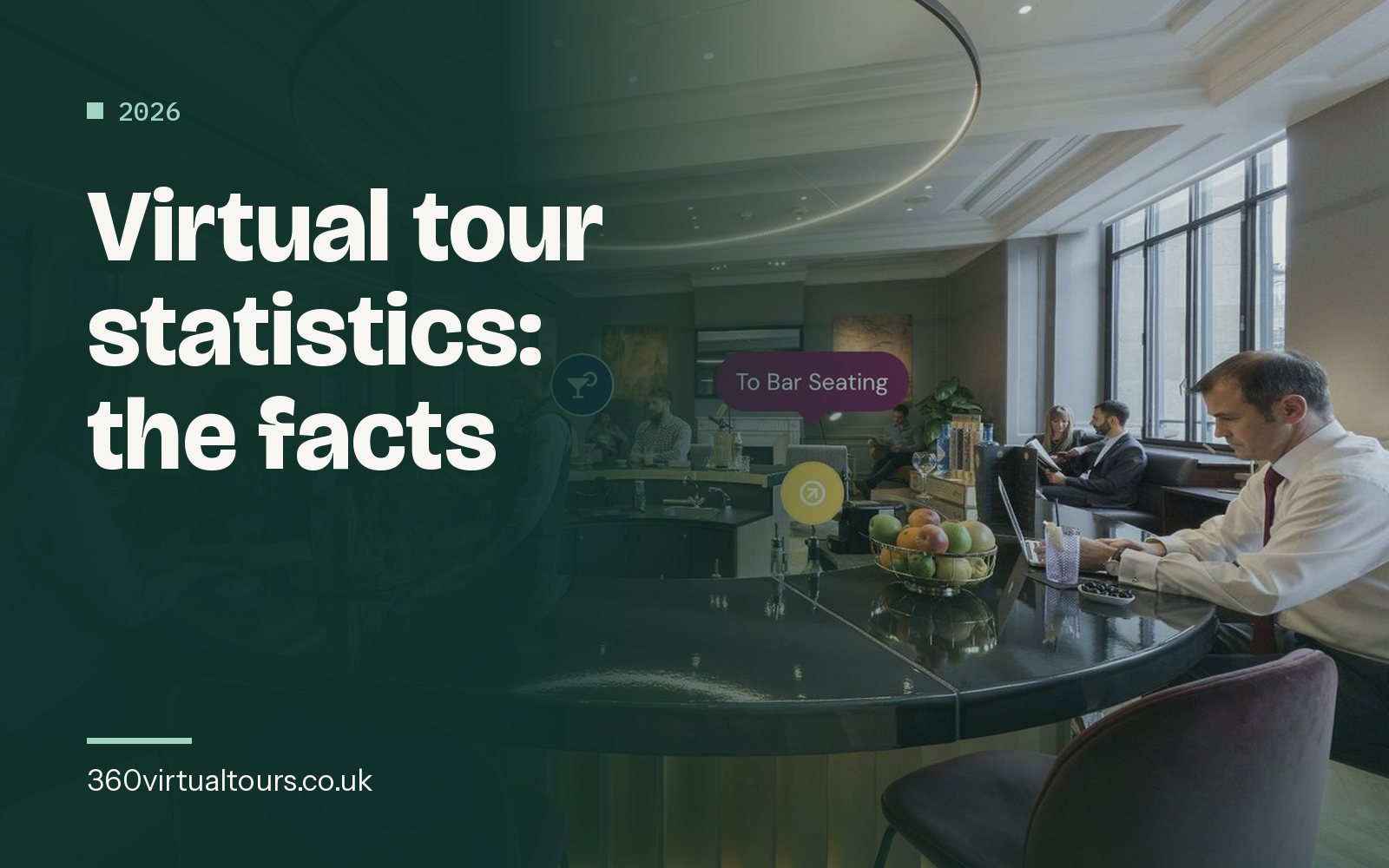
Virtual Tour Statistics 2026: The Facts and Figures That Actually Have Sources
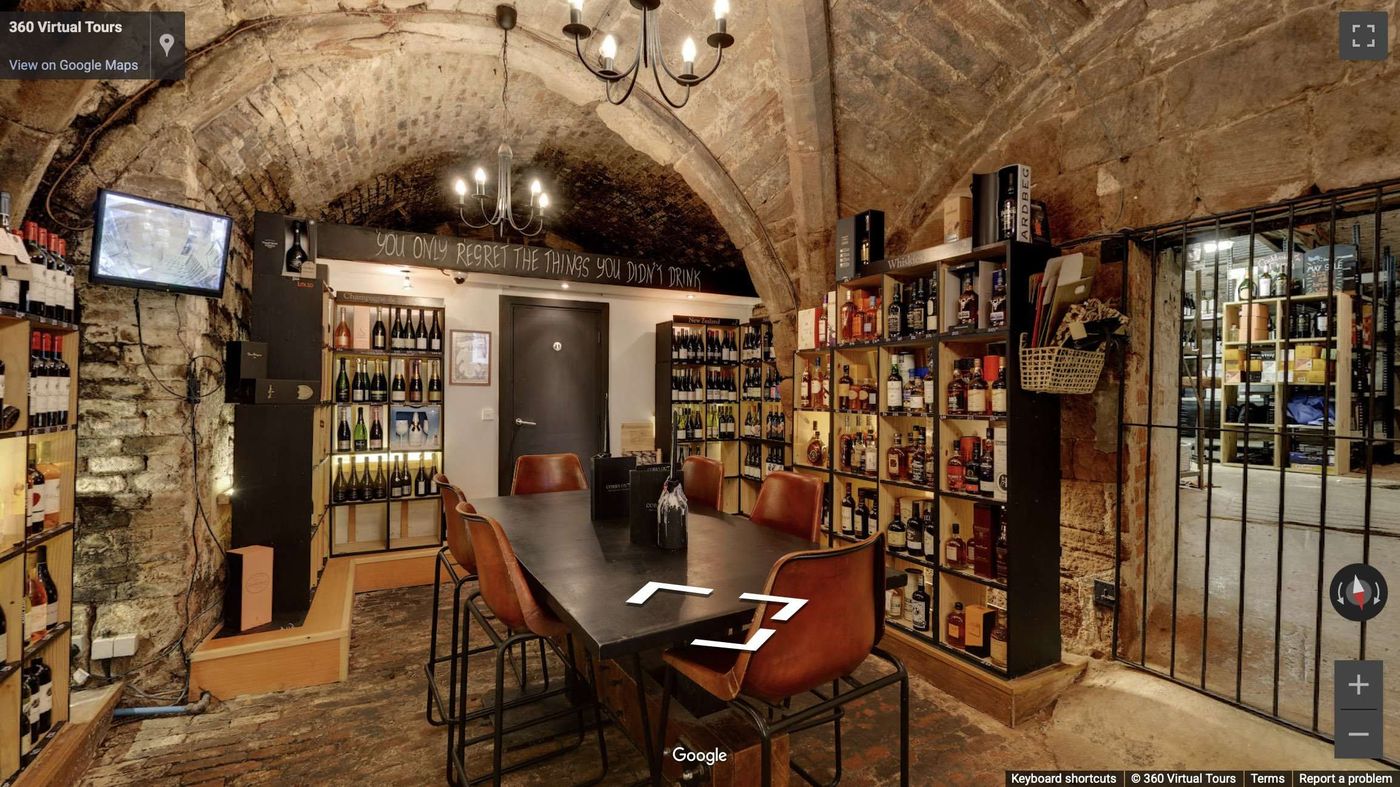
How to Add a Virtual Tour to Your Google Business Profile (and What It Does for You)
Virtual Tour Use Cases Beyond Marketing: Training, Onboarding, Audits, Kiosks and Accessibility
Ready to talk about a tour?
Bespoke 360, Matterport 3D or Google Street View: tell us about the space and we will recommend the right format and give you a clear price.