Virtual Tour Statistics 2026: The Facts and Figures That Actually Have Sources
The virtual tour statistics worth quoting in 2026, each linked to its original study: buyer preferences, Google Maps behaviour, student research habits, care home enquiries and hotel bookings.
 360 Virtual Tours · Updated 2026
Search for virtual tour statistics and you will find the same numbers repeated on hundreds of websites: visitors spend "five to ten times longer" on sites with a tour, listings get "95% more enquiries", homes "sell for $5,100 more". None of those can be traced to a real study. We went looking for the figures that can, and this page lists only statistics we could check against the original source. Each one links to it.
Property buyers and 3D tours
The most reliable recent data comes from Zillow's Consumer Housing Trends Report 2024, a large annual survey of US buyers. In it, 72% of buyers agreed that a 3D tour gives them a better feel for a space than static photos, and 67% wished more listings had one.
The National Association of Realtors' 2024 Profile of Home Buyers and Sellers asked buyers which website features they found "very useful". Photos came first at 83%, detailed property information second at 79%, and virtual tours third at 60%, ahead of floor plans (57%) and video (29%). The same report found that 51% of buyers found the home they bought online and 43% started their search there.
In the UK, Rightmove reported that the share of homes for sale carrying a video or virtual tour rose from 2% in January 2020 to 34% by February 2021. Zoopla saw virtual viewings of new-build homes rise 215% in the first lockdown. Those are pandemic figures, but the habit stuck: by the time Zillow ran its 2024 survey, two thirds of buyers were asking for more tours, not fewer.
Matterport's own research should be attributed as such, but it is real analysis. A Matterport-commissioned study by Texas Tech University of 143,575 US listings found that homes with a 3D tour sold for 4% to 9% more and, in some regions, up to 31% faster. A separate 2022 OnePoll survey for Matterport, which included 1,000 UK buyers, found that 89% considered 3D tours important and one in three had bought a property without viewing it in person.
One honest caveat: a 2023 Harvard Business School and Ivey study of 75,178 Los Angeles sales found the price premium from virtual tours was around 1.1% and disappeared once photo quality was taken into account. The lesson is not that tours do not work; it is that they work alongside strong photography, and their measurable benefits are engagement, reach and fewer wasted viewings rather than a guaranteed price uplift. That is why we shoot property photography and Matterport tours on the same visit.
Google Maps and Street View
Google commissioned independent research in 2015 that showed 1,201 people hotel and restaurant listings with and without a virtual tour. Listings with photos and a tour were twice as likely to generate interest. The same paper cites Oxera research that consumers use mapping products 44% of the time when searching for businesses, and that 41% of place searches on maps end in a visit to the business.
Google's current Business Profile guidance says customers are 2.7 times more likely to consider a business reputable when they find a complete profile, 70% more likely to visit and 50% more likely to consider buying. Google Maps has more than a billion monthly users and lists over 200 million businesses, which is the audience a Google Street View tour puts your building in front of.
Students and campus tours
Ruffalo Noel Levitz surveys thousands of prospective students every year. In the 2025 E-Expectations report, 77% of college-bound students had used a virtual tour or virtual reality experience while researching institutions and 84% of them found it helpful; 65% said a virtual tour made them more likely to apply. The institution's own website was the most-used resource of all (91%). The 2021 edition found 62% were more likely to enrol after viewing a virtual tour, and Encoura reported that the share of students calling an in-person campus visit important to their decision fell from 63% to 36% between 2019 and 2023. The research is American, but the QS International Student Survey found that more than 75% of international students applying to the UK rated the university website their most important source of information. See our school, college and university tours.
Care homes
TrustedCare analysed more than 50,000 enquiries across 34 UK care operators and found that 63.6% came from digital channels, with the operator's own website (26.6%) and Google search (21.2%) the largest. carehome.co.uk reports that more than 80% of people looking for care say online reviews are extremely or very important. With around 16,566 care homes in the UK, most families shortlist online before they visit, which is the case for a care home virtual tour.
Hotels and venues
The Google study above used hotel and restaurant listings, so its "twice as likely" finding applies directly to hospitality. Cornell University research into 1,720 hotel bookings found that 83% of guests who booked direct had searched the web first, visiting online travel sites an average of 12 times. Guests do their looking before they book; a tour on your own site is where that looking should end. Our guide to virtual tours for hotels goes further.
Statistics we recommend you do not quote
We could not find a primary source for any of the following, so we do not use them: "visitors spend 5 to 10 times longer on websites with virtual tours"; "virtual tours increase conversions by 16% to 67%"; "54% of buyers will not view a property without virtual images"; "95% more likely to enquire"; "homes with Matterport sell 10 days faster and for $5,100 more" (a misreading of a 2014 Redfin brokerage announcement); and "virtual tours increase your chance of appearing in Google search by 16%". Google has never confirmed any ranking effect from virtual tours; the benefits are in engagement and conversion, as our article on virtual tours and local SEO explains.
Using these figures
If you are building a business case for a tour, pair one or two of the statistics above with your own numbers: current enquiry volume, viewing-to-sale ratio, open day attendance or time spent on your website. Then tell us about your building and we will price the tour that fits. Bespoke, Matterport and Google Street View tours all start from £350, with no travel charges in mainland UK, as set out on our pricing page.
Related articles
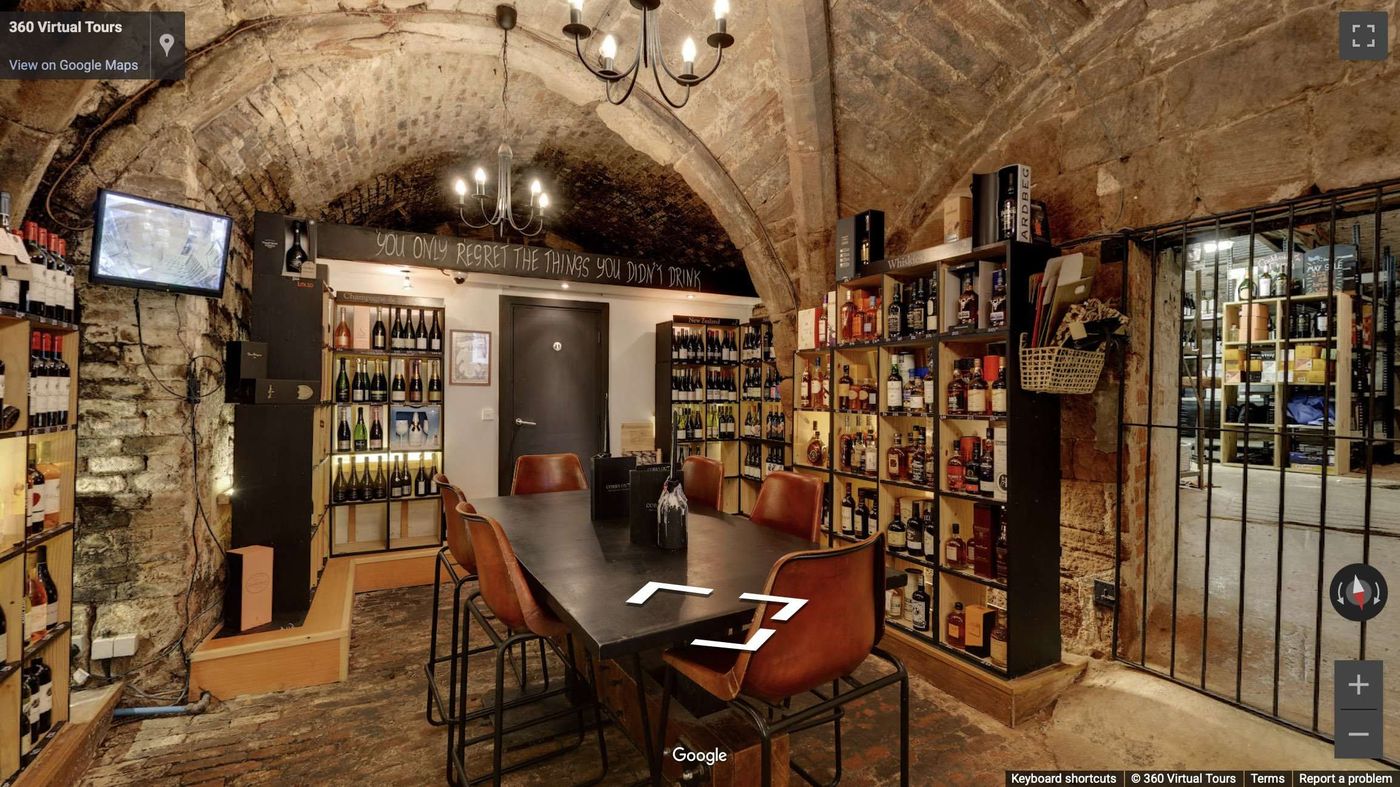
How to Add a Virtual Tour to Your Google Business Profile (and What It Does for You)
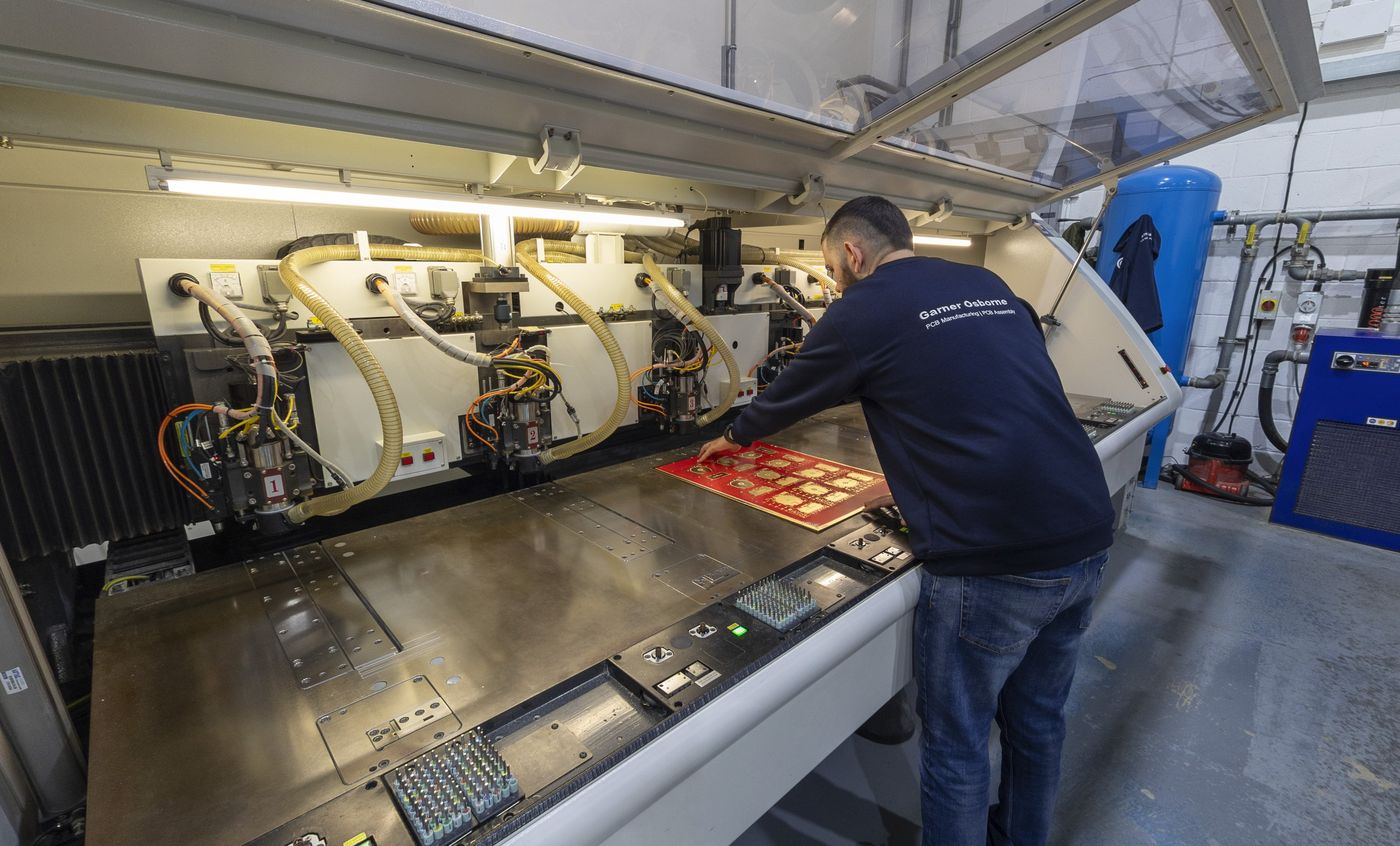
Virtual Tour Use Cases Beyond Marketing: Training, Onboarding, Audits, Kiosks and Accessibility
How Long Does a Virtual Tour Take? From Quote to Launch, Step by Step
Ready to talk about a tour?
Bespoke 360, Matterport 3D or Google Street View: tell us about the space and we will recommend the right format and give you a clear price.