Virtual Tours for Museums, Heritage Sites and Visitor Attractions
How museums, National Trust properties and visitor attractions use 360 virtual tours: gallery kiosks for closed rooms, online exhibitions that outlive the show, accessibility, education packs and fundraising. Examples and costs.
 360 Virtual Tours · Updated 2026
Heritage buildings and museums have a particular problem: the most interesting spaces are often the ones visitors cannot enter. Upstairs rooms without step-free access, fragile interiors, conservation areas, exhibitions that close after three months. A virtual tour keeps them open. This article covers the ways museums and heritage sites use tours, drawn from our work with the National Trust, independent museums and university collections.
1. Kiosk tours for rooms visitors cannot reach
A tour on a touchscreen in the entrance hall lets every visitor see the rooms that are closed, upstairs or too fragile for foot traffic. At Kelmscott Manor, William Morris's home, and at the National Trust's Lytes Cary Manor, our tours run on kiosks and tablets so that visitors with limited mobility see the whole house. Kiosk tours are built as self-hosted, offline packages that run without an internet connection and without ongoing fees.
2. Exhibitions that outlive the show
Temporary exhibitions take months to build and are gone in weeks. Capturing one in 360 before it closes creates a permanent online version for researchers, schools and people who missed it. Alice in Typhoidland, an exhibition at Oxford's museums on the history of typhoid, lives on as an interactive tour with hotspots for every object and panel.
3. Object detail and interpretation
Hotspots turn a tour into interpretation: an audio clip from the curator, a high-resolution image of a painting, a video of a mechanism working, a transcript of a letter in the case. At Market Lavington Museum the tour gives a small volunteer-run museum a reach it could never have through the door. Content can be layered for different audiences, such as a family version and a specialist version of the same tour, built on 360 Studio.
4. Education and outreach
Schools that cannot afford the coach can still visit. A tour with a downloadable education pack in the hotspots lets a class walk the site from the classroom, and the analytics show which scenes teachers use most. Universities use the same approach for collections; see Kellogg College, Oxford.
5. Fundraising and membership
A tour of a building before and after restoration is a persuasive fundraising asset, and a members-only tour of spaces the public never sees is a membership benefit that costs nothing to deliver once made. The Royal Hospital Chelsea tour shows how a historic institution can open itself online while staying private in person.
Capturing historic interiors
We work with conservation staff on access, lighting and equipment. No flash, no equipment touching surfaces, and we can work outside opening hours. Our cameras capture high-resolution 360 images that hold up when a visitor zooms into a ceiling or a tapestry, and a drone 360 of the estate makes a natural opening scene where the site permits flying. Large properties are usually captured over one to two days.
Cost and next step
Tours start from £350 for a small museum, rising with the number of rooms and the interpretation content, with no travel charges anywhere in mainland UK. Kiosk builds are priced as a self-hosted package with no subscription. Tell us about your site and we will come back with a price and an approach; our bespoke tours page explains the platform.
Related articles
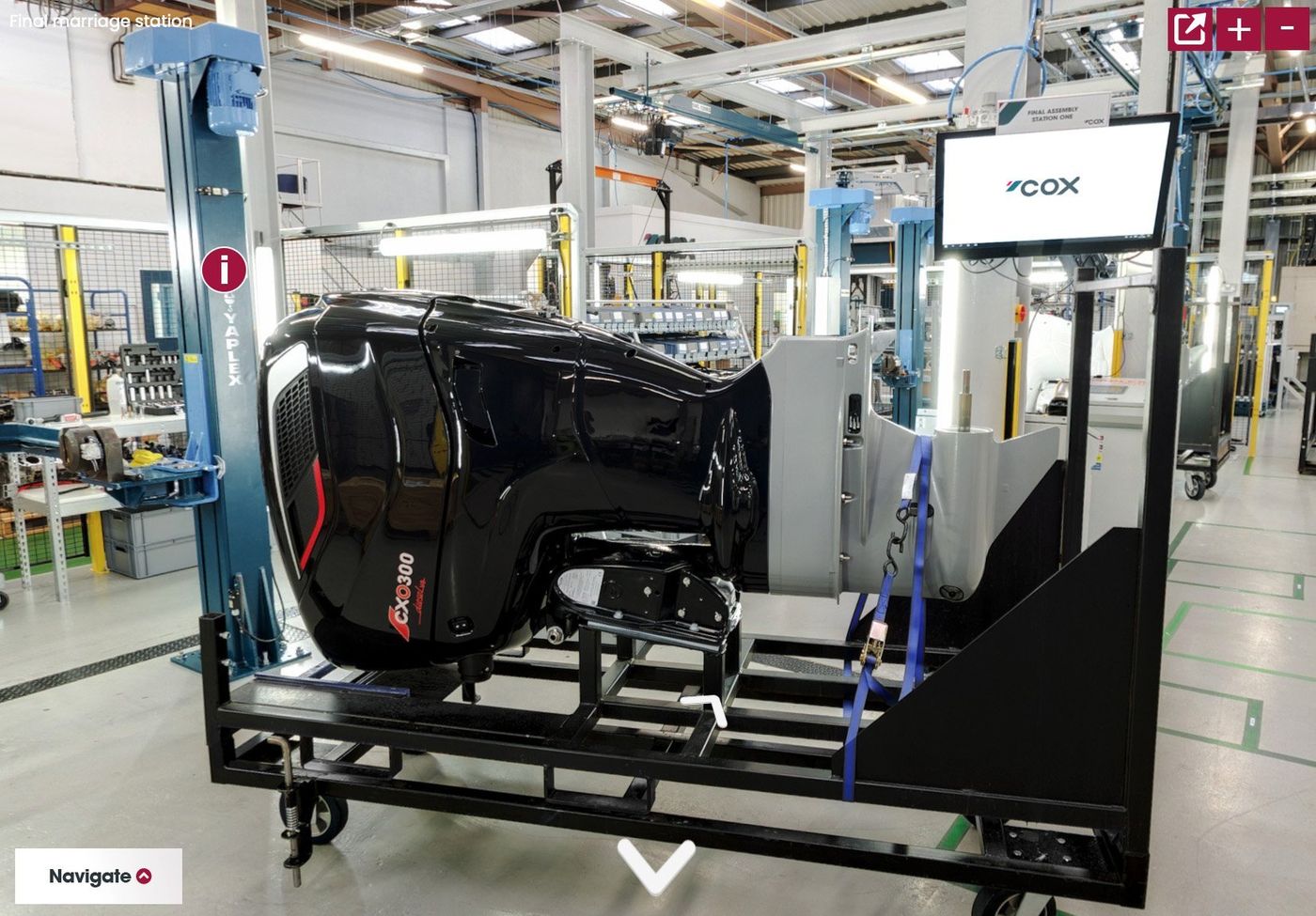
Virtual Tours for Factories and Manufacturers: Marketing, Recruitment and Safety Without the Site Visit
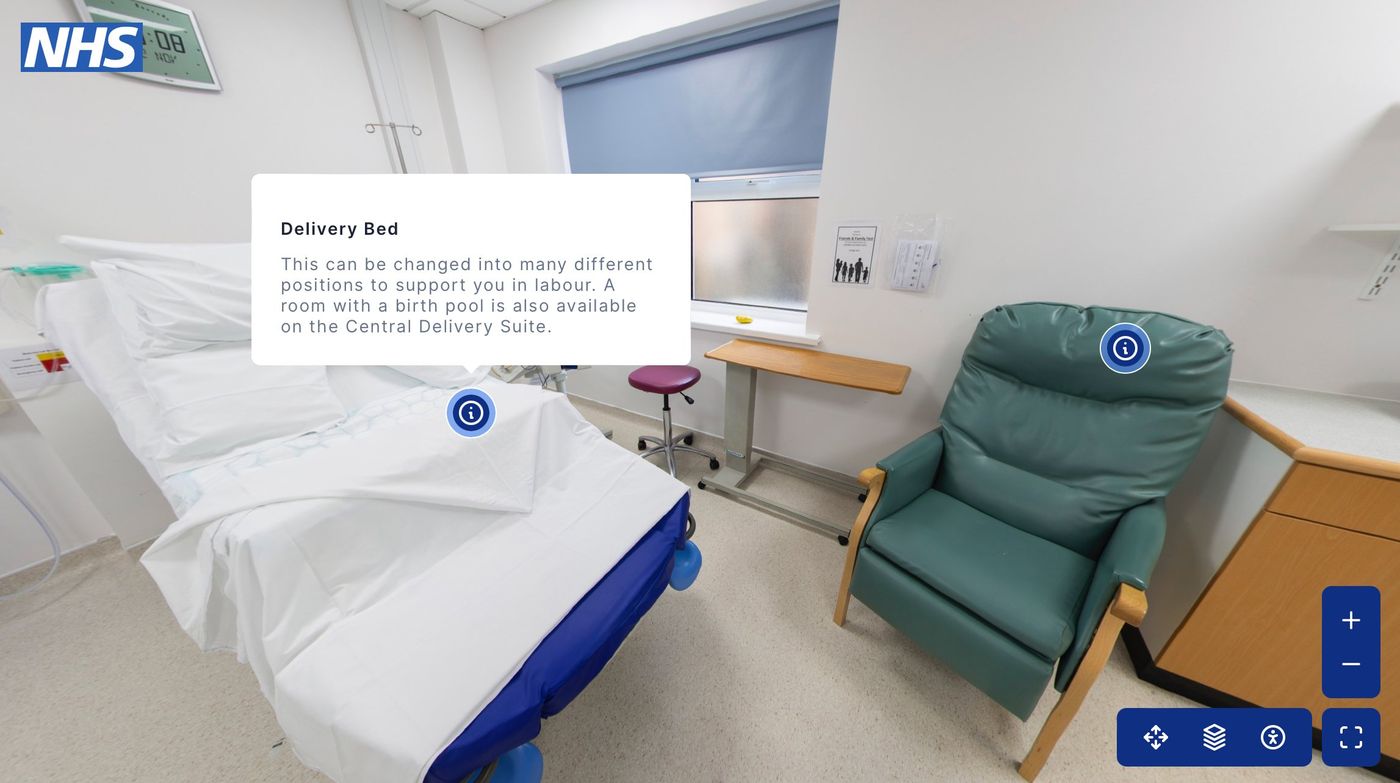
Virtual Tours for Hospitals, Clinics and Healthcare: Reassuring Patients and Recruiting Staff
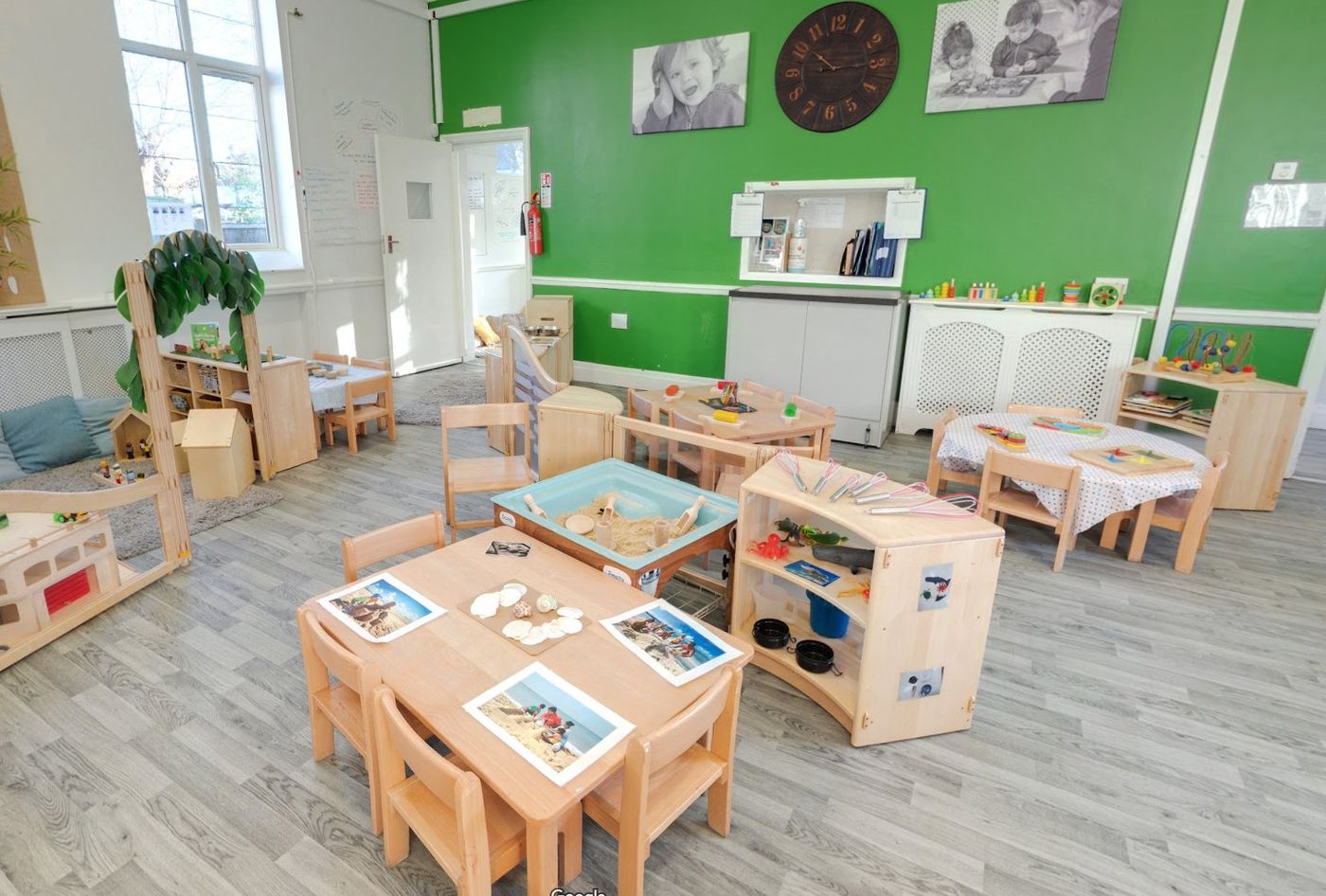
Nursery and Pre-School Virtual Tours: Winning Parents’ Trust Before the First Visit
Ready to talk about a tour?
Bespoke 360, Matterport 3D or Google Street View: tell us about the space and we will recommend the right format and give you a clear price.