Virtual Tours Benefits, Uses and How They Work in 2026
This comprehensive guide will walk you through what 360 virtual tours really are, how they work, their key benefits, and why adopting them is critical for businesses who want to stay competitive and deliver exceptional user experiences today.
 360 Virtual Tours · Updated 2026
In 2026, 360 virtual tours have become one of the most powerful digital tools for businesses, real estate, education, hospitality, and more. By offering fully immersive, interactive, and panoramic views of physical spaces, these tours revolutionise how customers explore, understand, and engage with locations or products online, all from the comfort of their own devices.
This comprehensive guide will walk you through what 360 virtual tours really are, how they work, their key benefits, and why adopting them is critical for businesses who want to stay competitive and deliver exceptional user experiences today.
What is a 360 Virtual Tour?
A 360 virtual tour is a series of panoramic images or videos stitched together to create an interactive digital simulation of a real-world space. Using special 360-degree cameras (such as Insta360, Ricoh Theta), or drones equipped with spherical lenses, these tours allow users to look around a space in every direction, up, down, left, right, and zoom in to examine details closely.
Unlike traditional flat images or videos, users can navigate the environment actively, getting a realistic sense of room layouts, dimensions, and ambience as if they were physically present. These tours work on computers, tablets, smartphones, and even virtual reality headsets for enhanced immersion.
Try for yourself, we’ve embedded one of our own here of a private jet.
How Do 360 Virtual Tours Work?
Creating a 360 virtual tour involves capturing multiple images or video from various fixed points around a location with a 360 camera or set of cameras. These images are digitally “stitched” together by software to form continuous panoramic scenes. Interactive software platforms then enable navigation between these scenes with clickable hotspots, floor plans, and embedded media like videos or audio guides.
Users move through the space by clicking or tapping arrows and hotspots to transition smoothly between different viewpoints, giving them control over what to explore and in what order. Additional features often include voiceover narration, information points, or integration with maps for location context.
Key Benefits of 360 Virtual Tours
Increased User Engagement
360 virtual tours capture attention far better than static content by offering an interactive and immersive experience. Users spend more time exploring the space, which increases engagement rates, lowers bounce rates on websites, and makes your business more memorable.
Improved Customer Confidence and Decision-Making
By letting users explore every corner freely, virtual tours reduce uncertainty and build trust. For example, homebuyers can inspect a property in detail before booking a viewing, or hotel guests can virtually explore rooms and amenities, leading to more informed and confident decisions.
Better SEO
Websites featuring 360 tours often rank higher because they keep visitors engaged longer and reduce bounce rates, essential signals for search engines. Moreover, immersive content is more shareable and likely to earn backlinks, boosting your site authority.
Time and Cost Savings
360 tours save businesses and customers valuable time by reducing the need for repeated physical visits. This is especially beneficial in real estate, education, hospitality, and industries where travel time and costs can add up.
Accessibility and Convenience
These tours make spaces accessible to a global audience 24/7. Potential customers around the world or those with mobility limitations can explore your offerings remotely at any time.
Competitive Advantage
Having a high-quality 360 virtual tour sets your business apart by demonstrating technological innovation, transparency, and commitment to excellent customer experience.
Who Benefits the Most from 360 Virtual Tours?
- Real Estate: Showcase properties in detail to attract more buyers, reduce wasted visits, and close sales faster.
- Hospitality & Tourism: Hotels, resorts, venues can impress guests by showing real-time views of rooms, amenities, and surroundings.
- Education: Universities and schools use tours to attract students and parents globally by offering virtual campus walkthroughs.
- Retail & Showrooms: Provide immersive shopping experiences from anywhere, boosting customer confidence online.
- Events & Entertainment: Enable audiences to virtually explore venues and build excitement before attending.
- Corporate & Office Spaces: Allow clients or employees to familiarise themselves with premises remotely.
Addressing Common Concerns About 360 Virtual Tours
- Quality of Imagery: Modern 360 cameras and professional post-processing deliver sharp, clear images that rival in-person visits.
- Technology Costs: While specialised 360 cameras are ideal, quality tours can also be made from smartphones or more affordable equipment using advanced software.
- Market Trends: Despite growth in video walkthroughs, 360 tours remain relevant by offering full spatial context and freedom of exploration that video lacks.
- User Experience: Users appreciate the ability to control their viewing direction and the “dollhouse” or floor plan views that improve spatial understanding.
- Business ROI: Many users report increased leads, faster sales, and stronger customer relationships after investing in virtual tours.
How to Choose the Right 360 Virtual Tour Provider
Look for providers who:
- Use high-resolution cameras and offer professional image stitching without distortion.
- Provide interactive features like clickable hotspots, embedded media, and floor plans.
- Have experience in your industry and understand your target audience.
- Offer easy integration with your website and social media channels.
- Provide hosting and support for reliable 24/7 access.
The Future of 360 Virtual Tours
As technology advances, expect even more immersive experiences incorporating augmented reality (AR), artificial intelligence (AI), and seamless VR integration. Improved interactivity, personalisation, and higher-quality digital twins will further transform how businesses connect with audiences globally.
Choose A Virtual Tour Business with Real Heritage
Ready to bring your space or product into the future with an immersive 360 virtual tour? Our expert team is here to guide you every step of the way, from capturing the perfect images to launching a captivating virtual experience that sets you apart. Whether you’re in real estate, hospitality, education, or retail, a 360 virtual tour can unlock new engagement, increase trust, and drive business growth.
Contact us today to start your virtual tour journey and offer your customers a truly captivating way to explore and connect with your brand, anytime, anywhere.
Related articles
Virtual Tour Statistics 2026: The Facts and Figures That Actually Have Sources
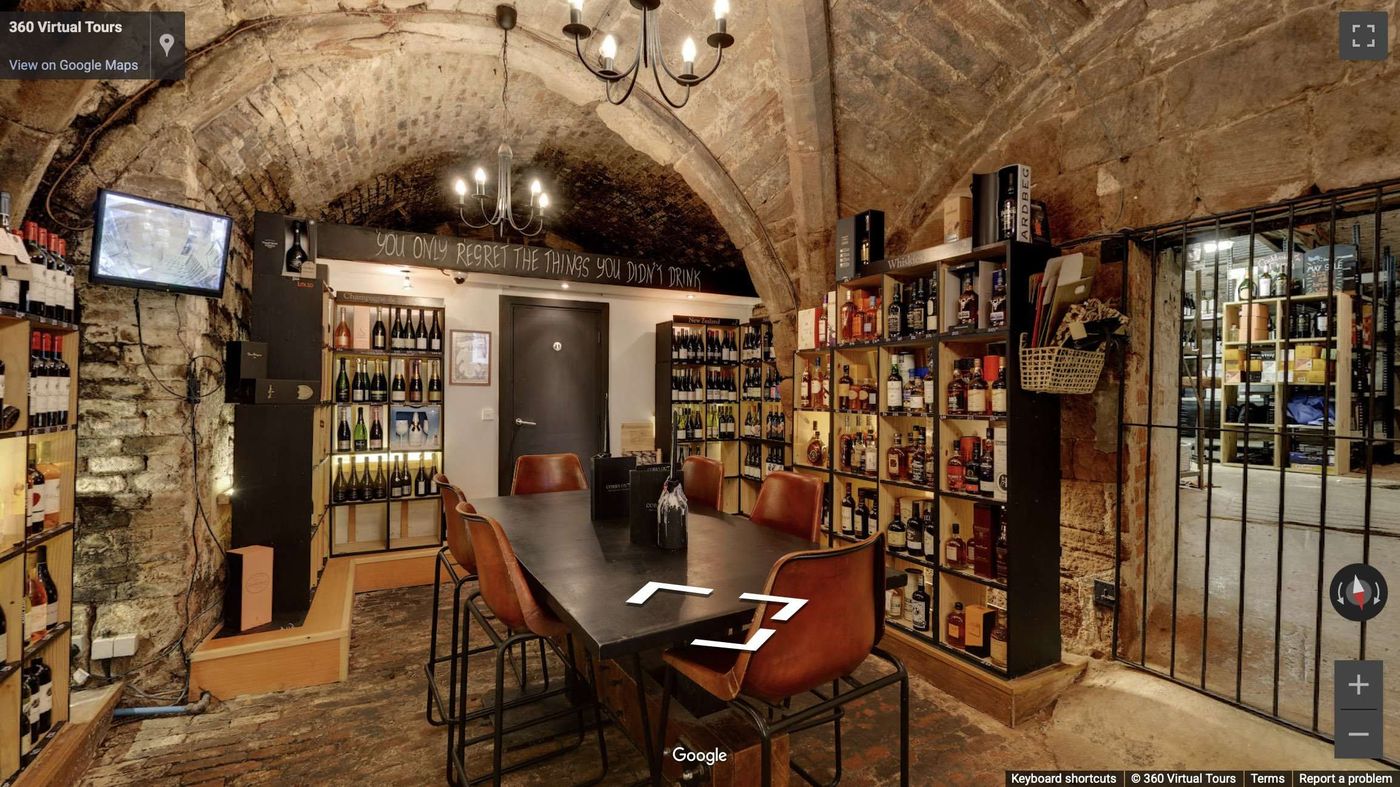
How to Add a Virtual Tour to Your Google Business Profile (and What It Does for You)
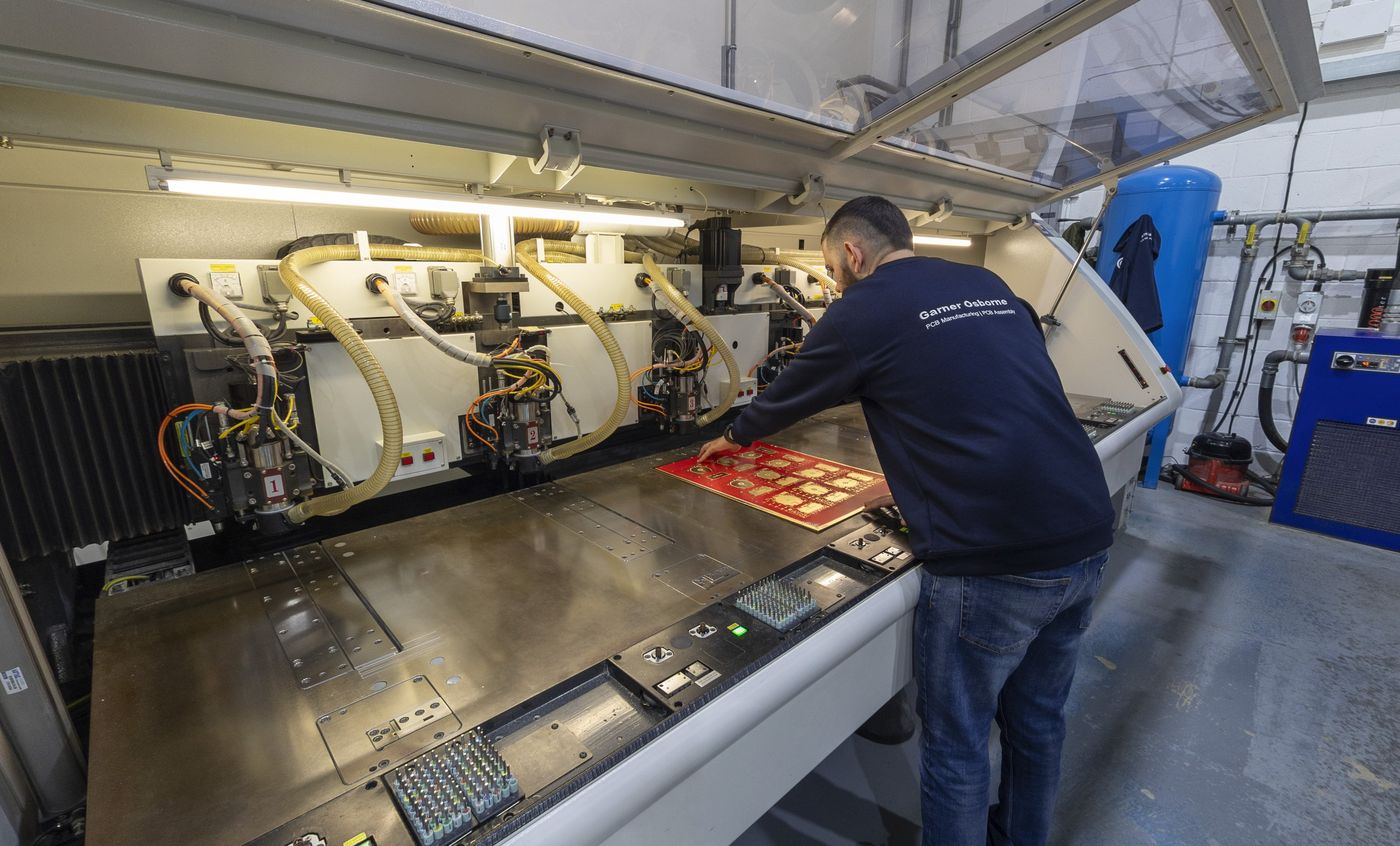
Virtual Tour Use Cases Beyond Marketing: Training, Onboarding, Audits, Kiosks and Accessibility
Ready to talk about a tour?
Bespoke 360, Matterport 3D or Google Street View: tell us about the space and we will recommend the right format and give you a clear price.