Virtual Tours for Schools, Colleges and Universities: What the Research Says About Admissions
What surveys of prospective students say about virtual campus tours, how UK schools, colleges and universities use them for admissions and open days, and what a good education tour includes.
 360 Virtual Tours · Updated 2026
Every admissions team knows the open day problem. The families who attend are already interested; the ones you most want to reach are the ones who never made it through the gate. A virtual campus tour is the tool that reaches them, and there is now a decade of research showing how prospective students use it. This article sets out the evidence and what it means for a UK school, college or university.
How prospective students actually research
Ruffalo Noel Levitz has surveyed college-bound students every year since the mid-2010s. Its 2025 E-Expectations report found that the institution's own website is the most-used resource, consulted by 91% of students, and that 77% had used a virtual tour or virtual reality experience during their research, with 84% of those finding it helpful. Most tellingly, 65% said a virtual tour made them more likely to apply. The 2023 report put virtual tour usage at 73%, so the trend is upward.
In-person visits are losing ground as the deciding factor. Encoura research found that only 36% of college-bound students in 2023 rated an in-person campus tour as important to their choice, down from 63% in 2019. Students still visit, but later in the process and with a shortlist already formed online. That shortlist is where a virtual tour earns its keep.
This research is American, and we say so. For UK institutions the closest equivalent is the QS International Student Survey, in which more than 75% of prospective international students named the university website as their most important source of information. An international applicant who will never attend an open day is the clearest case for a tour there is.
What this means for UK admissions
Three practical conclusions follow. First, the tour belongs on your own website, prominently, because that is where prospective students go. Second, it needs to answer the questions a visit would answer: where will I study, sleep, eat and play, and what does the place feel like? Third, it has to stay current, because a tour showing last year's sports hall or a science block that has since been refurbished quietly undermines the message.
That third point is why we built 360 Studio, our virtual tour CMS. Schools using it update scenes, rename rooms and add hotspots themselves, and can spin off separate versions of the same tour for boarding families, sixth form applicants, international agents or commercial lettings without a new shoot.
What a good education tour includes
From more than a hundred school, college and university tours, the scenes that get the most views are consistent: the entrance and reception, a typical classroom, specialist spaces (science labs, art, music, drama, sports), the library, dining hall, outdoor space and, for boarding schools, a bedroom and common room. Universities add lecture theatres, accommodation and the students' union. An aerial 360 scene from our drone is the most popular opening scene because it shows the whole site at once.
Hotspots turn the tour from a look-around into a prospectus: a head's welcome video at the entrance, a gallery of the latest production in the theatre, a PDF of the boarding handbook in the house, a call-to-action to book an open day or apply. Our interactive campus maps give the same content a map-based front door, which large multi-site colleges prefer.
Bespoke, Matterport or Street View?
For a campus, a bespoke 360 tour is usually the right format: a curated set of scenes with branded navigation and hotspots, rather than a scan of every corridor. A Matterport scan suits a single building where the layout matters, such as a new boarding house or a performing arts centre, and a Google Street View tour puts the entrance and main spaces on Google Maps for the families searching there. Many schools combine them. Our comparison of bespoke, Matterport and Google tours covers the trade-offs.
Safeguarding and practicalities
All our photographers are DBS checked and we plan school shoots around the timetable, capturing classrooms during lessons only where the school wants students in shot and blurring faces where required. A typical secondary school is captured in a day; a multi-site college or university over two or three. There are no travel charges anywhere in mainland UK.
See the work
Recent education projects include Sparsholt College, Dulwich College, St John's College, Cambridge and The King's School, Canterbury. Our education virtual tours page has more, and our guide to how college virtual tours work explains the process from quote to launch.
Related articles
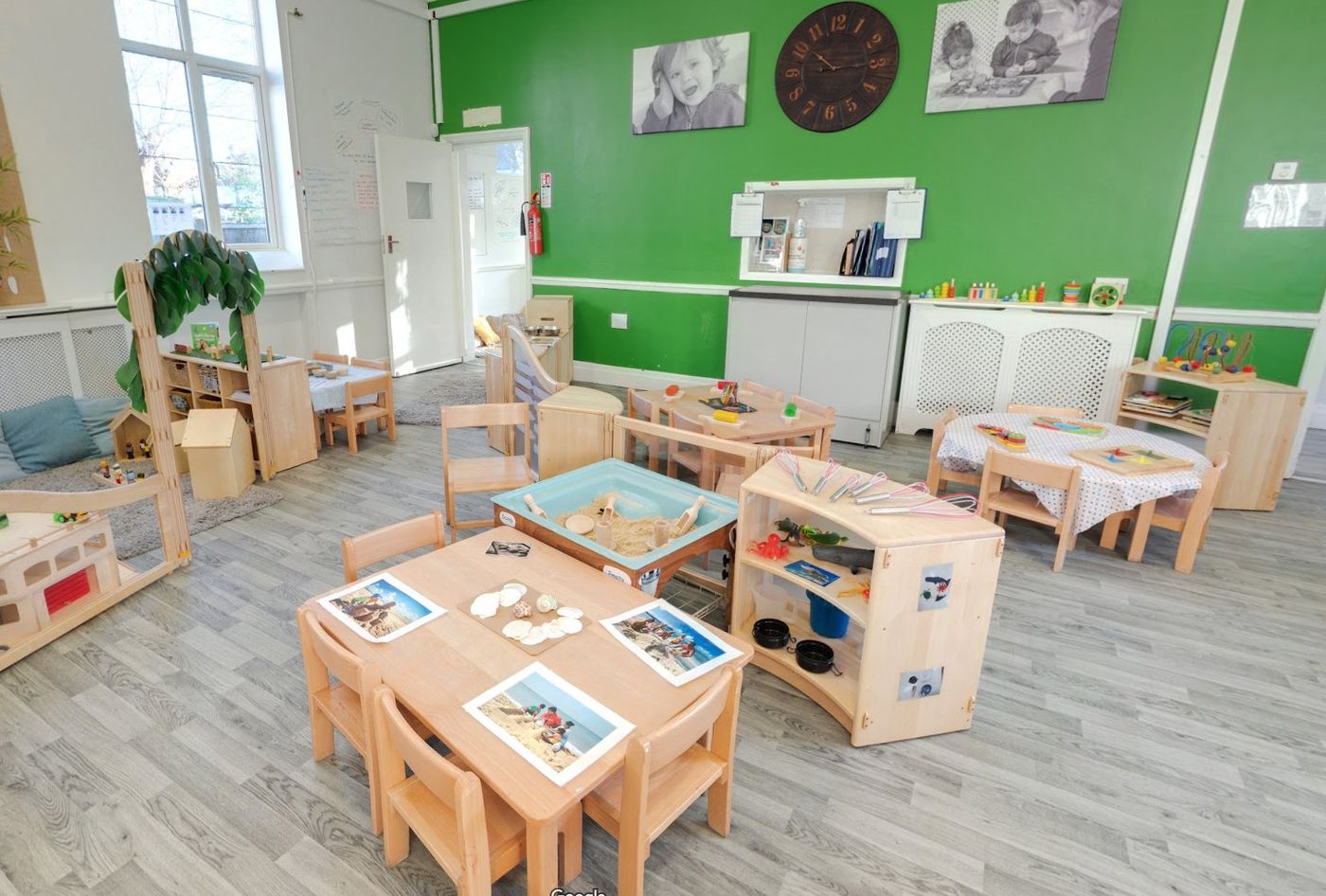
Nursery and Pre-School Virtual Tours: Winning Parents’ Trust Before the First Visit
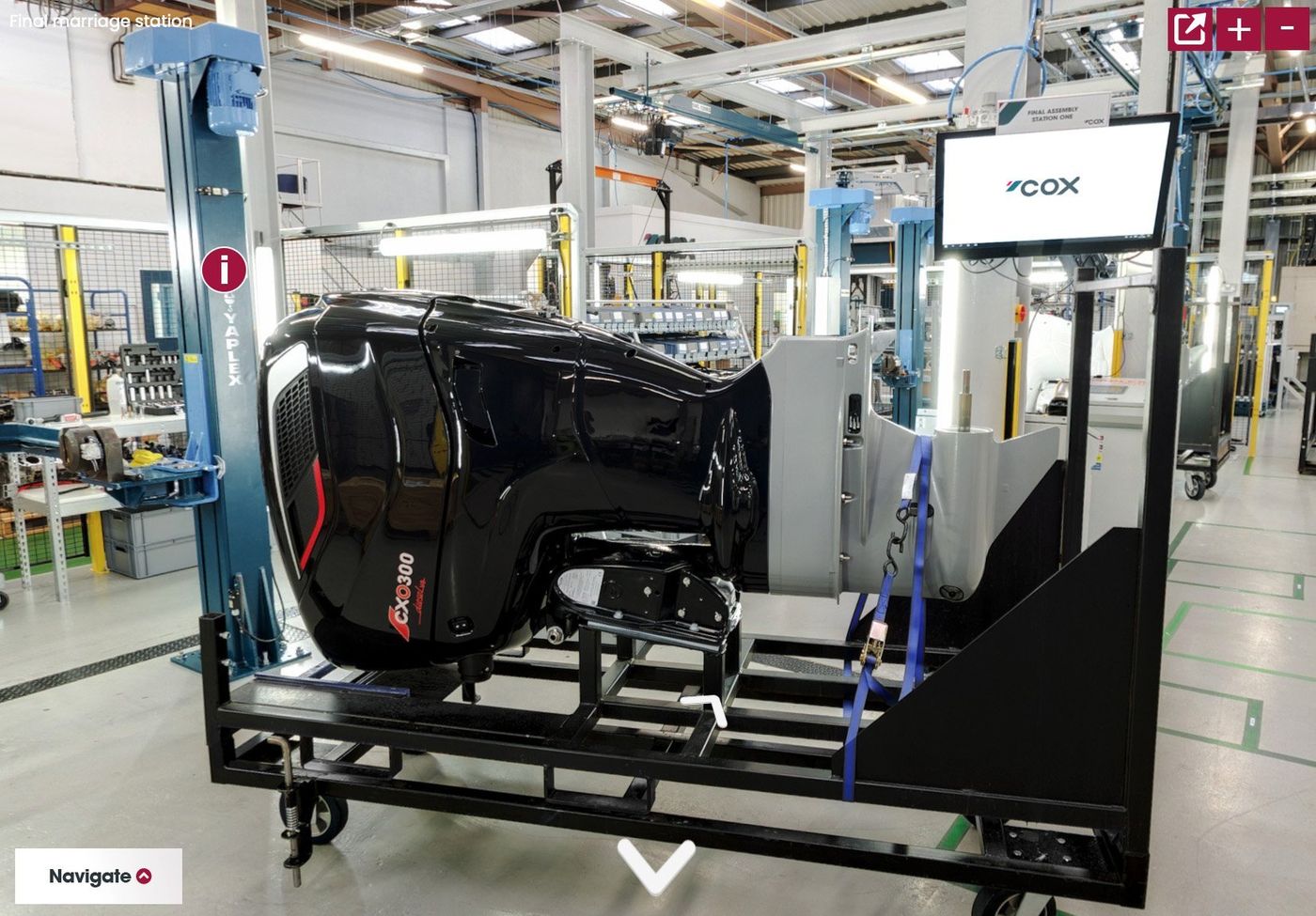
Virtual Tours for Factories and Manufacturers: Marketing, Recruitment and Safety Without the Site Visit
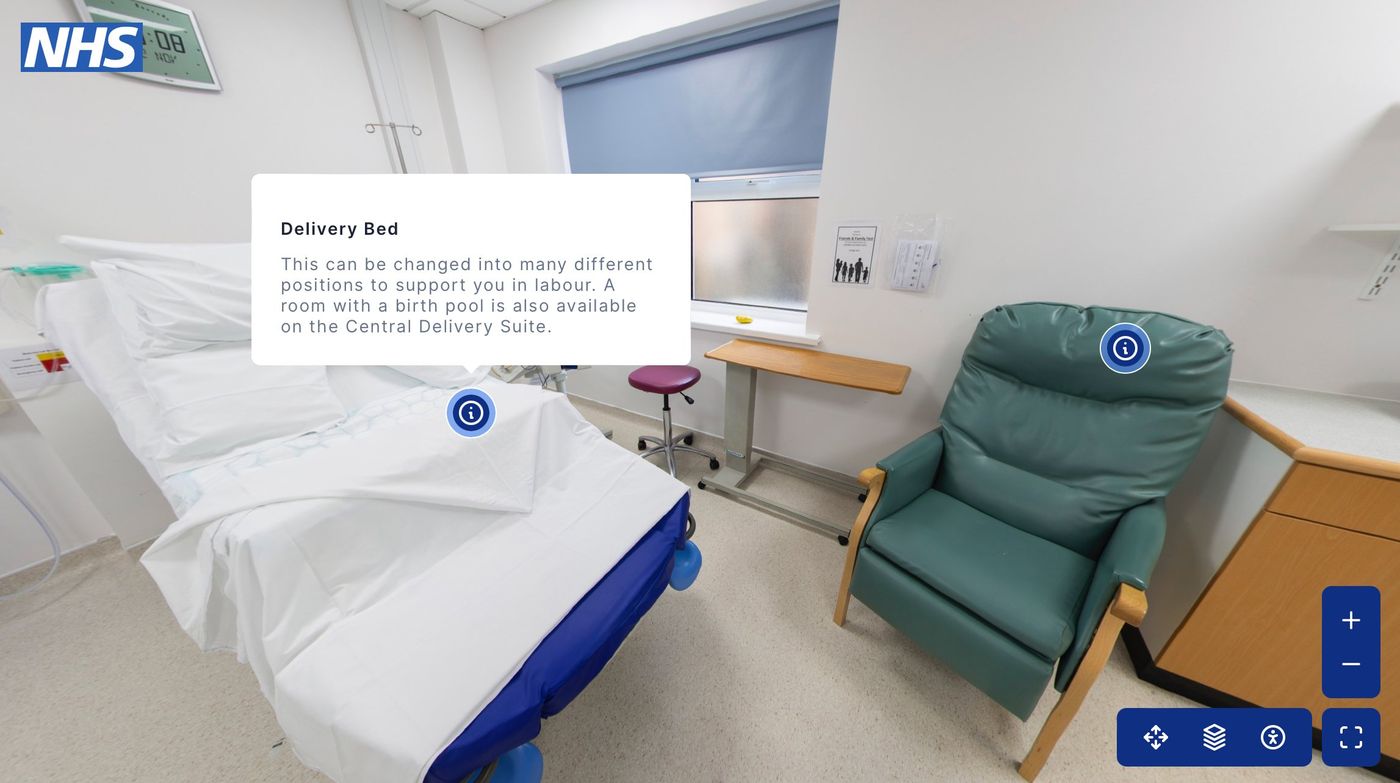
Virtual Tours for Hospitals, Clinics and Healthcare: Reassuring Patients and Recruiting Staff
Ready to talk about a tour?
Bespoke 360, Matterport 3D or Google Street View: tell us about the space and we will recommend the right format and give you a clear price.